​​​​​​​Getting a piercing is exciting, but it often comes with a few bumps along the way – literally. Many people notice a small lump forming near the site as the skin heals. While some of these bumps are harmless and temporary, others may be a sign of a keloid, a type of scar that requires more specialised care.

Understanding the difference between a piercing bump vs keloid is essential for protecting your skin and making sure your piercing heals the way it should. In this article, we will walk through what each one looks like, how to treat them safely, and when it is time to seek professional help.

​​

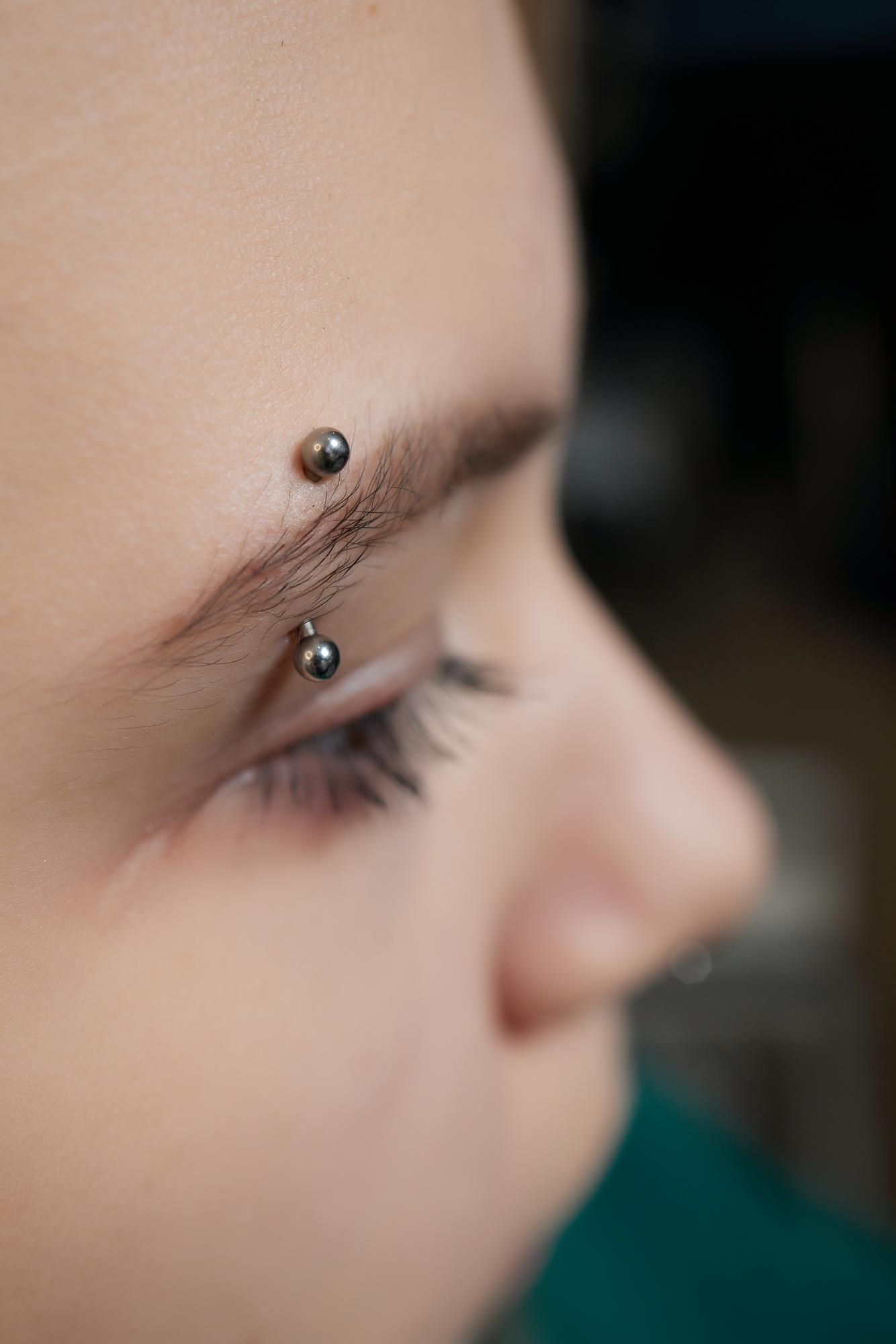
Side profile close-up of an eyebrow piercing with a silver curved barbell.

What Is a Piercing Bump?

A piercing bump is a small, inflamed tissue overgrowth that commonly appears as part of the healing process. These bumps are your body’s way of responding to irritation or trauma in the area.
There are a couple of common types:

  • Irritation bump, caused by friction, snagging, or pressure on the piercing.
  • Granuloma, a red, inflamed lump that can sometimes appear if the skin overreacts during healing.

Typical locations include the ear, nose, and navel. They often look more alarming than they actually are, and in most cases, they improve with simple care.

A particularly confusing situation arises with nose piercings. A nose piercing bump vs keloid can look very similar at first glance. Both are raised and may feel tender, but their causes and long-term outcomes differ, making correct identification critical.​​

How to Treat and Prevent Piercing Bumps

A piercing bump is usually manageable with the right routine. Here is how to help it heal and prevent further irritation.

Remove Possible Irritants

Several factors can trigger a piercing bump, including pressure, trauma, or certain daily habits. Examples include wearing headphones, snagging jewellery, sleeping on the piercing, cabin pressure during flights, touching with unwashed hands, or letting skincare products come into contact with the site.

The good news is that once the irritant is removed, the bump often improves on its own without requiring more invasive treatments.

Choose the Right Jewellery

Your jewellery plays a major role in healing. Always ensure it is the correct size and leaves enough space for swelling.

Recommended materials include surgical steel, titanium, niobium, or Tygon (a surgical plastic). Avoid nickel, which commonly causes allergic reactions, especially if you have sensitive skin.

If you are unsure about your jewellery, visit a trusted piercing studio. Professionals can assess the fit and, if necessary, swap it for a safer alternative. Once your jewellery is secure and suitable, leave it in place until your piercing has fully healed.

Keep the Piercing Clean

Hygiene is vital. Bumps often form due to irritation or improper cleaning practices. Wash the area gently each day with a mild antibacterial soap or saline solution. The aim is to help your body heal around the jewellery instead of treating it as a threat.

When To See a Professional?

If your bump does not improve, becomes larger, or is accompanied by persistent swelling or discharge, it is time to consult a professional.

At-home remedies that may help in the meantime include warm saline compresses or switching to hypoallergenic jewellery. However, a professional piercer or dermatologist should examine any bump that does not resolve with basic care.


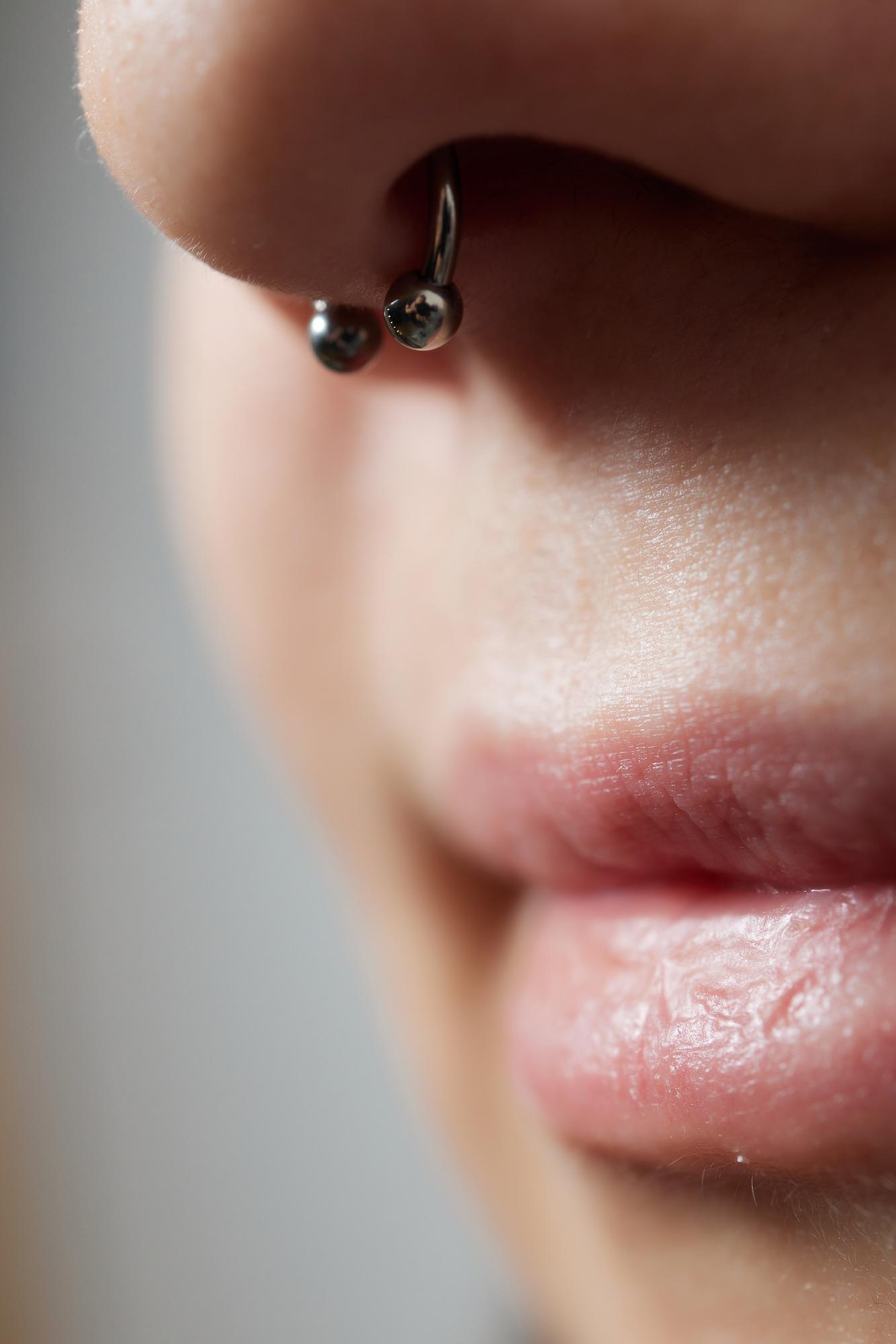
Close-up of a septum piercing with a silver horseshoe ring.

What Is a Keloid?

A keloid is a type of scar that occurs due to abnormal wound healing, where the body produces excessive collagen, resulting in tissue overgrowth. Unlike a simple piercing bump, keloids can continue to expand and may extend well beyond the original wound.

It is essential not to confuse keloids with other types of scars. For example, when comparing hypertrophic scars vs keloid, hypertrophic scars stay within the wound’s boundaries, while keloids spread outward and become more raised and firm.

Keloids commonly form on the earlobes, shoulders, and chest. They can cause discomfort, itching, and sensitivity, but their biggest impact is often psychological. Many people feel self-conscious about the appearance of keloids, especially when they develop in visible areas.

How to stop a keloid from growing?

If you notice the early signs of a keloid, such as firm, raised skin that continues to thicken, it’s important to act quickly. Preventive strategies include:

  • Pressure therapy: using pressure earrings or dressings to slow down tissue growth.
  • Wound care: keeping the area clean, moisturised, and protected during healing
  • Clinical guidance: consulting a dermatologist for early intervention, which may include topical or injected treatments to limit growth.

Stopping a keloid from enlarging early gives you a better chance of keeping it under control.

Safe Treatment Options for Keloids

Managing keloids requires patience and often a combination of therapies. Here are some of the most trusted options:

Silicone

Silicone scar treatment is one of the most effective ways to manage keloids. Silicone sheets or gels form a thin layer over the skin, lock in moisture, and gradually flatten the scar.

These products don’t require a prescription and are easy to use – simply apply them daily for several hours. While progress is slow, consistent use over weeks or months can lead to significant improvement. Silicone works particularly well after surgical or laser treatments, but can also help with older scars.

Laser treatment

Laser treatment cannot completely erase a keloid, but it can reduce its thickness, improve its texture, and fade its redness. Different lasers target different aspects of the scar.

Most dermatologists combine lasers with other therapies, such as steroid injections or silicone, to lower the risk of regrowth. Multiple sessions are typically required, but for stubborn keloids, lasers offer a valuable step forward.

Steroid injections

Steroid injection for scar is another proven approach. Corticosteroids help shrink keloids by reducing inflammation and slowing collagen production.

Treatments are administered in rounds, spaced several weeks apart. Smaller keloids may respond quickly, while larger or older ones take longer. Side effects are usually mild, such as slight skin thinning or fading around the injection site. When used alongside silicone or lasers, steroid injections often deliver the most noticeable improvements.

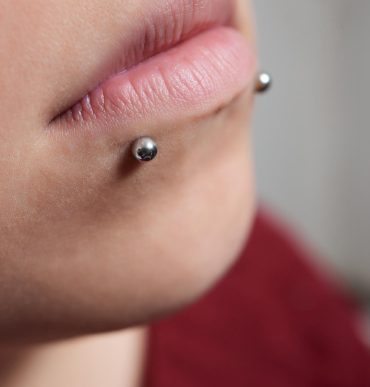
Close-up of a lower lip piercing with a silver ball stud.

When to Seek Professional Help

You should seek medical advice if:

  • A lump grows rapidly or becomes painful.
  • Swelling and redness persist despite home care.
  • The scar continues to expand months after the piercing.

Dermatologists and plastic surgeons are best equipped to determine whether a lump is a bump, a hypertrophic scar, or a keloid. They can recommend the safest treatment plan.

Why choose The London Scar Clinic?

At The London Scar Clinic, we specialise in diagnosing and treating all scar types, including piercing bumps, hypertrophic scars, and keloids. Our team combines medical expertise with advanced technology to deliver personalised care, whether you need simple aftercare guidance or a tailored treatment plan involving silicone therapy, lasers, or steroid injections.

By choosing TLSC, you gain access to evidence-based treatments, a multidisciplinary team of specialists, and compassionate support throughout your healing journey.

Accreditations

CALL US MAKE AN ENQUIRY