​​​Many people believe stretch marks are permanent, an unchangeable reminder of pregnancy, growth spurts, or weight fluctuations. However, microneedling has emerged as a surprisingly effective treatment option that can significantly improve their appearance, offering hope to those who have tried countless creams without success.

This article covers how microneedling works, what side effects to expect, realistic results you can achieve, what happens during the procedure, and practical tips to maximise outcomes. Whether you are exploring options to boost your confidence or looking for safer alternatives to invasive procedures, understanding how microneedling addresses stretch marks at a structural level is worthwhile.​

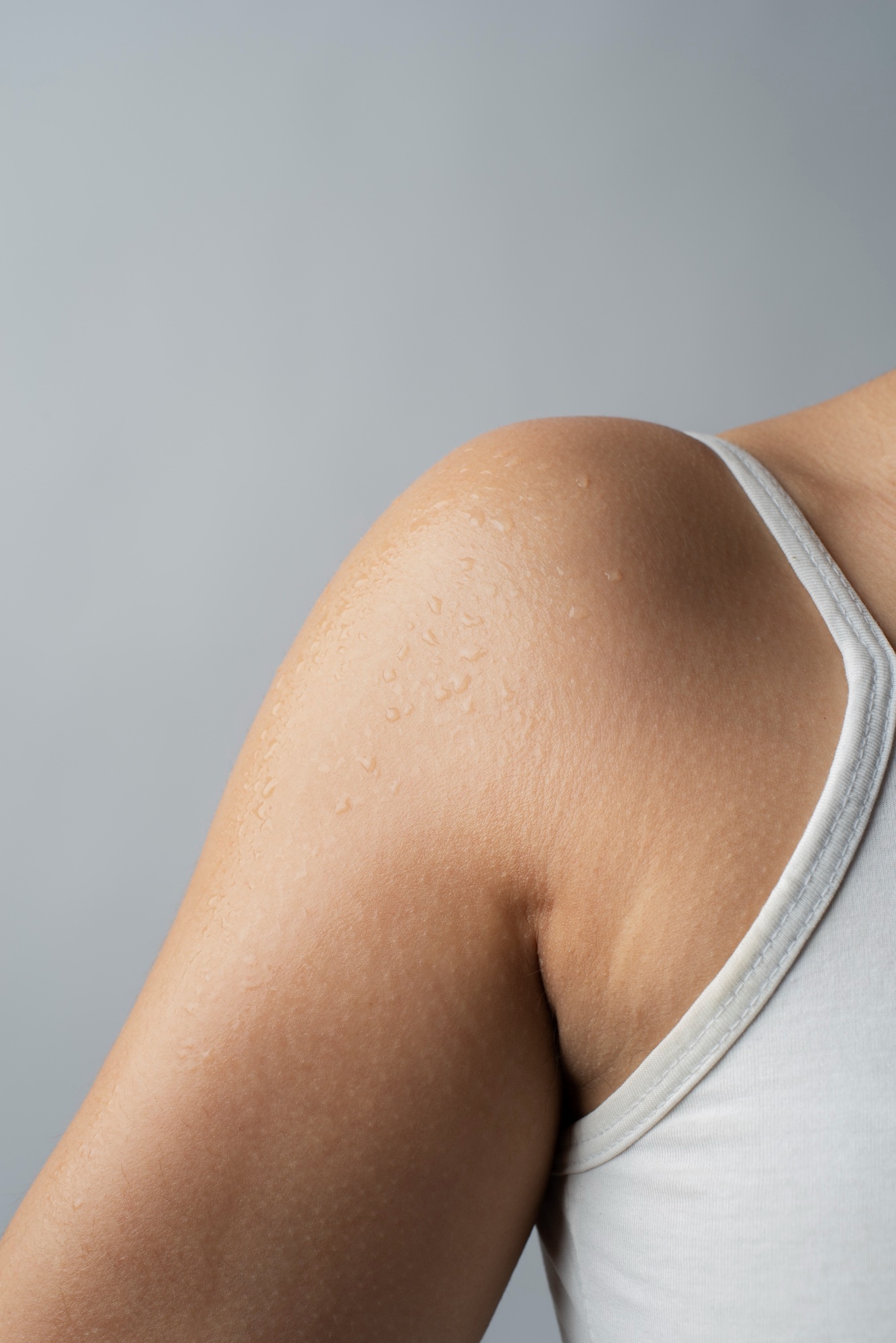
Close-up of a sweaty shoulder with water droplets against a gray background

​The Background of Stretch Marks

Before diving into treatment options, it is essential to understand what stretch marks are and why they’re so challenging to eliminate. This knowledge helps set realistic expectations and explains why certain treatments work whilst others fall short.

What Causes Stretch Marks?

Stretch marks develop when the skin stretches rapidly, causing tears in the dermis, the layer of connective tissue beneath the skin’s surface. This damages the collagen and elastin fibres that give skin its strength and flexibility. Common triggers include pregnancy, sudden weight changes, growth spurts, and rapid muscle building.

They typically start as red or purple marks (striae rubra) before fading into a paler, whitish appearance (striae alba). Crucially, stretch marks are considered a type of scar rather than simple pigmentation changes. Therefore, effective treatment must focus on repairing the damaged collagen network, not merely correcting colour.​

Why Are They Difficult to Remove Completely?

The persistent nature of stretch marks stems from several factors. First and foremost, the damage occurs deep within the dermis, meaning surface treatments like topical creams, oils, or natural products often cannot penetrate deeply enough to reach the affected layers. Whilst these products may improve skin hydration and overall appearance, they rarely produce significant structural changes to the scar tissue itself.

Older stretch marks, particularly those that have progressed to the striae alba stage, tend to respond less effectively to treatment than newer, red stretch marks. Once the marks have matured and the damaged tissue has fully healed in its altered state, stimulating meaningful remodelling becomes more challenging, though not impossible.

Individual factors also play a substantial role in treatment outcomes. Your skin type, hormonal balance, lifestyle habits, and genetic predisposition all influence how your skin responds to injury and how effectively it can rebuild damaged structures. Some people naturally produce more robust collagen responses, whilst others may find their skin less responsive to regenerative treatments.

What Is Microneedling and How Does It Work?

Understanding the science behind microneedling helps explain why this treatment can be more effective than topical products. The technique works with your body’s natural healing mechanisms rather than against them.

​​​Basics and Mechanism

Microneedling involves creating tiny, controlled micro-injuries in the skin using fine, sterile needles. These micro-injuries trigger the body’s natural healing response, stimulating increased collagen and elastin production and the formation of new blood vessels. The newly formed connective tissue fibres help “fill in” the skin’s structure, reducing the depth of stretch marks and improving overall texture.​

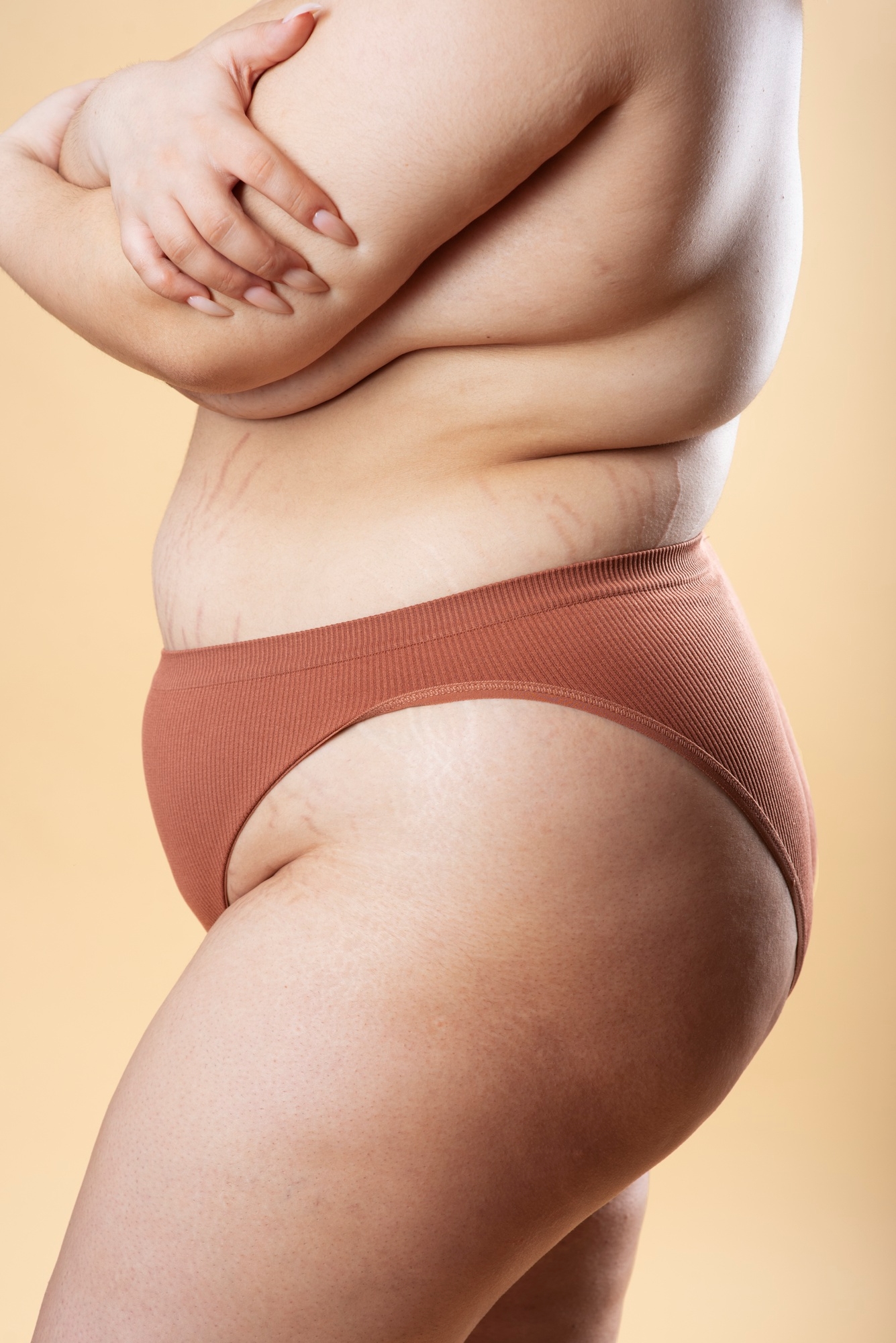
Side view of a woman's torso showing stretch marks on the stomach and hip against a beige background

Microneedling vs. Other Treatment Methods

In clinical settings, practitioners often combine standard microneedling with additional technologies to enhance results. RF microneedling for stretch marks, which combines radiofrequency energy with the needling process, has shown particularly promising outcomes. The radiofrequency energy heats deeper skin layers, further stimulating collagen production and tissue remodelling beyond what needling alone achieves.

Microneedling offers several advantages over alternative treatments. When performed by qualified practitioners, it carries relatively low risk, requires minimal downtime compared to more invasive procedures, and suits a wide range of skin types when done safely with appropriate protocols. Unlike some laser treatments, microneedling does not typically cause hyperpigmentation in darker skin tones, making it a more inclusive option.

However, the treatment has limitations that patients should know from the outset. Results appear gradually rather than immediately, as collagen remodelling takes time. Multiple sessions are needed; you will not achieve optimal results from a single treatment. ​

Clinical Evidence: Microneedling for Stretch Marks Works Better Than You Might Think

When considering any aesthetic treatment, it is wise to look beyond marketing claims to examine what medical professionals and clinical research actually say. The evidence for microneedling’s effectiveness on stretch marks is genuinely encouraging.

Medical and Professional Opinions

According to the American Academy of Dermatology (AAD), microneedling is a safe and effective method for improving the appearance of stretch marks. The AAD states, “Microneedling can fade scars, stretch marks, wrinkles, and more.”

The AAD emphasises that professional microneedling devices used in clinic settings deliver stronger, longer-lasting results than at-home treatments. Many patients notice visible improvement after just 2–4 sessions, with full results developing over several months. When considering how many microneedling sessions you may need for stretch marks, most practitioners recommend 3–6 treatments spaced 4–6 weeks apart, although plans vary based on severity and individual response.

What to Expect During Treatment

At The London Scar Clinic, your treatment begins with a thorough consultation where your practitioner assesses your stretch marks and creates a personalised plan. On treatment day, the area is cleansed, and a topical anaesthetic is applied for 20–30 minutes. The practitioner then uses a specialised device to create controlled micro-injuries. For RF microneedling for stretch marks, radiofrequency energy is delivered simultaneously through the needles, enhancing collagen stimulation.

The process typically takes 15 to 30 minutes. Afterwards, your skin will appear red and feel sensitive, similar to mild sunburn.

How to Maximise Your Results

Getting the most from treatment involves preparation and aftercare, so here are some best practices that can help you maximise the benefits of your microneedling treatment, both physically and mentally.

Preparing for treatment

Avoid tanning, sunbeds, and harsh skin treatments beforehand. Stay well hydrated and maintain a balanced diet focused on collagen-supporting nutrients, such as vitamin C and protein.

Aftercare tips

For the first 48 hours, avoid heavy exercise and sweating. Skip harsh skincare products for 5–7 days. Use soothing moisturisers and apply strict sun protection with SPF 30–50 daily. Your results can be long-lasting when you maintain an appropriate skincare routine, tailored to your needs by your qualified practitioner.

Setting realistic expectations

Visible improvements develop over 3 to 4 weeks as the treatment stimulates collagen and elastin production, leading to gradual skin resurfacing. However, stretch marks rarely disappear completely. Patience is essential – final results appear 6-8 months after your final treatment as collagen remodelling continues.

Please note that long-term lifestyle factors, such as weight fluctuations or future pregnancies, may trigger the development of new stretch marks.


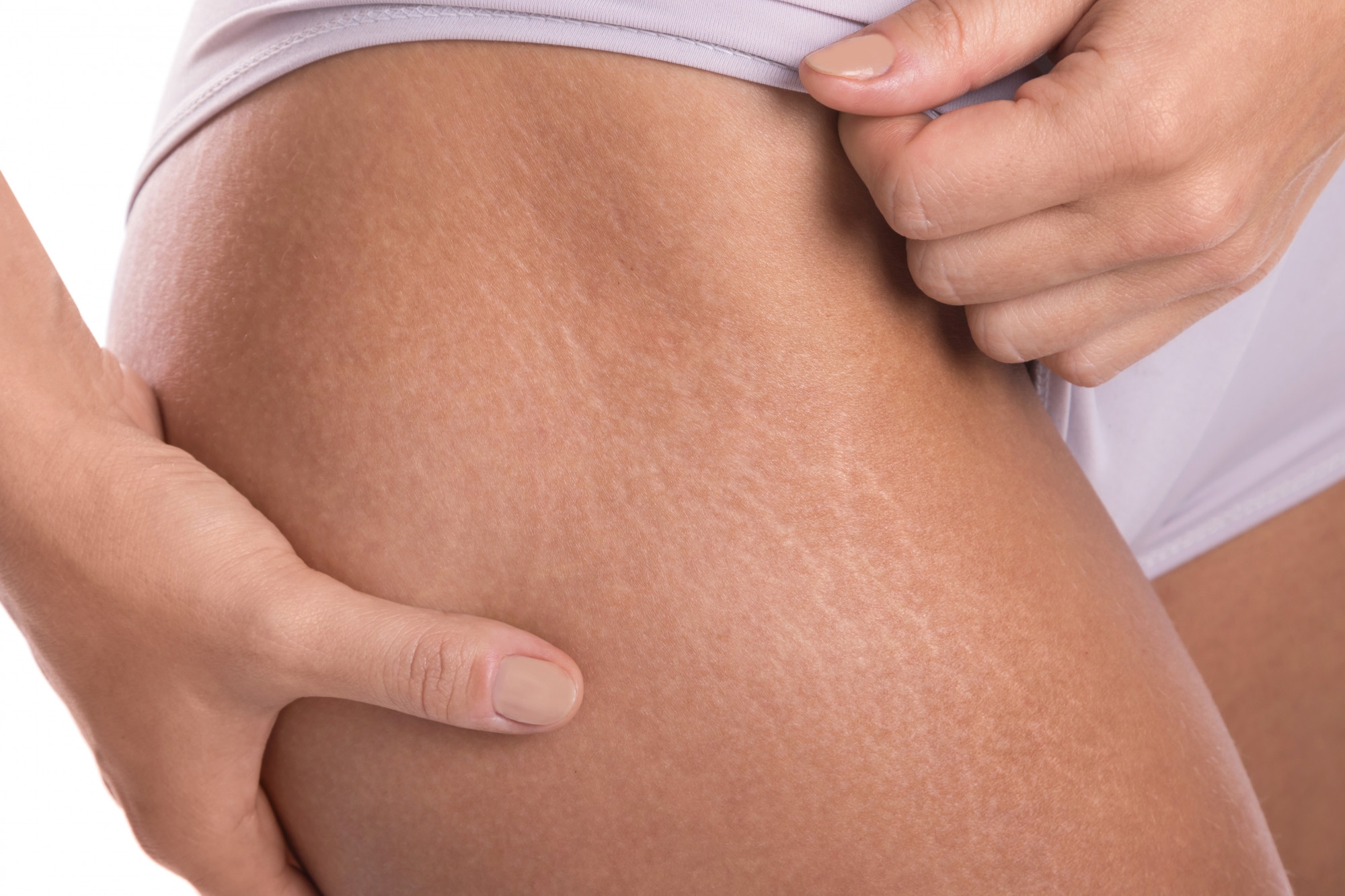
Close-up of stretch marks on a woman's thigh and hip area

Potential Side Effects of RF Microneedling Treatment

Common short-term effects include redness (subsiding within 24–72 hours), mild swelling, slight bleeding during treatment, and increased sensitivity for several days. These are normal and temporary.

Rare risks include infection (uncommon with proper protocols), pigmentation changes (especially without sun protection), and scarring (mostly associated with improper procedures). Microneedling is not suitable for those with active skin infections or uncontrolled acne. Results vary depending on skin type, the age and severity of stretch marks, and adherence to aftercare.

​Why Choose Radiofrequency Microneedling for Stretch Marks at The London Scar Clinic?

The London Scar Clinic specialises specifically in scar and stretch mark treatments, meaning their practitioners have extensive experience with these unique challenges. The clinic utilises advanced RF microneedling technology, combining traditional microneedling with radiofrequency energy for enhanced results, particularly for mature stretch marks resistant to other treatments.

Every treatment plan is personalised to your specific needs, considering the location, age, severity, skin type, and aesthetic goals of your stretch marks. You will receive comprehensive aftercare guidance and support throughout your journey, ensuring you achieve optimal results whilst feeling confident and informed every step of the way.

If you are ready to explore an evidence-based treatment that actually works, radiofrequency microneedling offers genuine hope. With the expertise available at The London Scar Clinic, you are in capable hands for this transformative journey.​

Accreditations

CALL US MAKE AN ENQUIRY