How can early scleroderma be recognised?
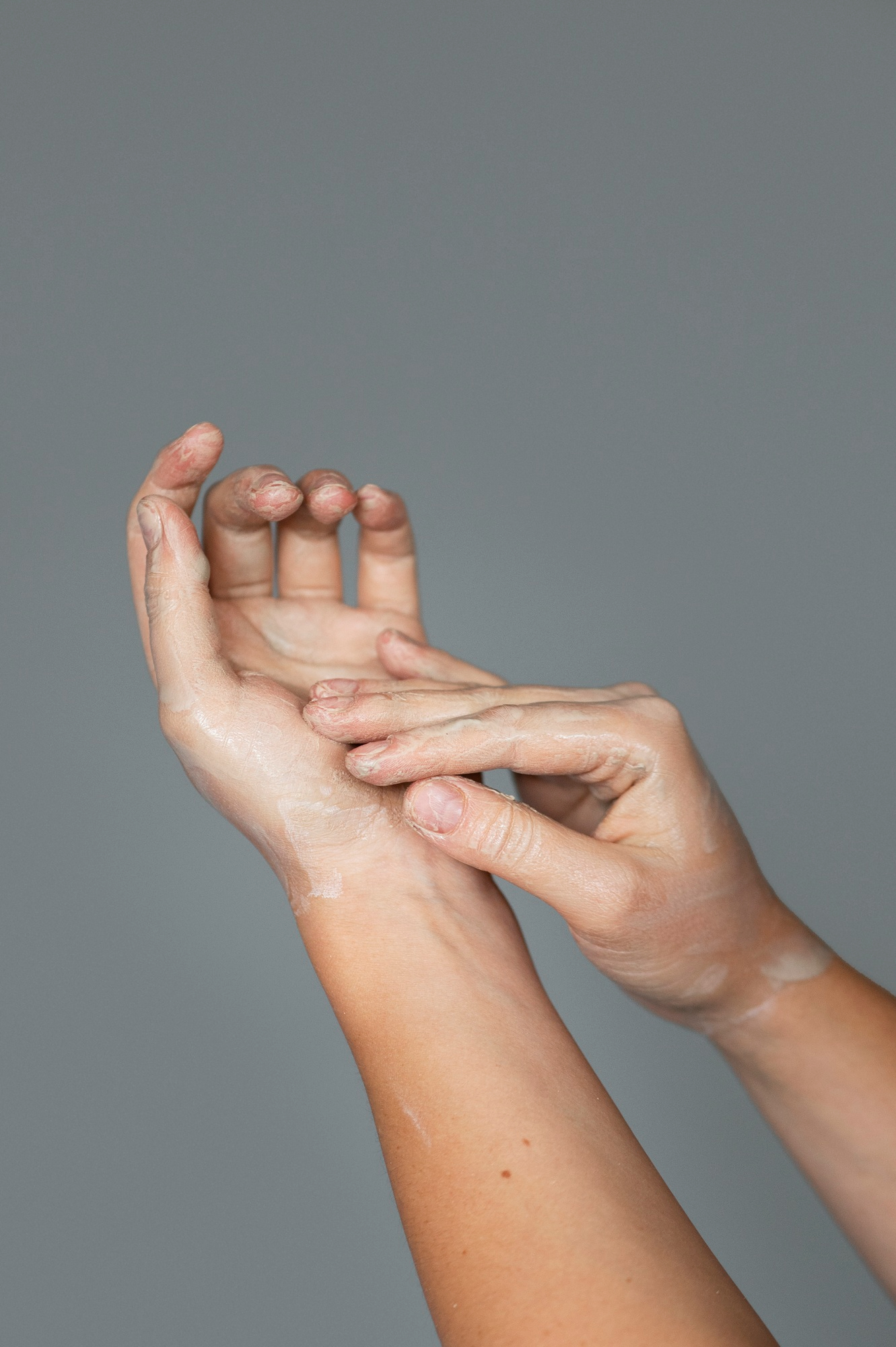
Raynaud’s usually shows up first. Fingers turn white, then blue, in the cold or under stress. Blood flow cuts off and fingers go numb, sting, or feel prickly. This can occur long before any other symptoms appear, making an early diagnosis challenging.
You might also notice swelling in your hands, stiffness in the morning, or exhaustion that does not match your activity level.
What are the symptoms?
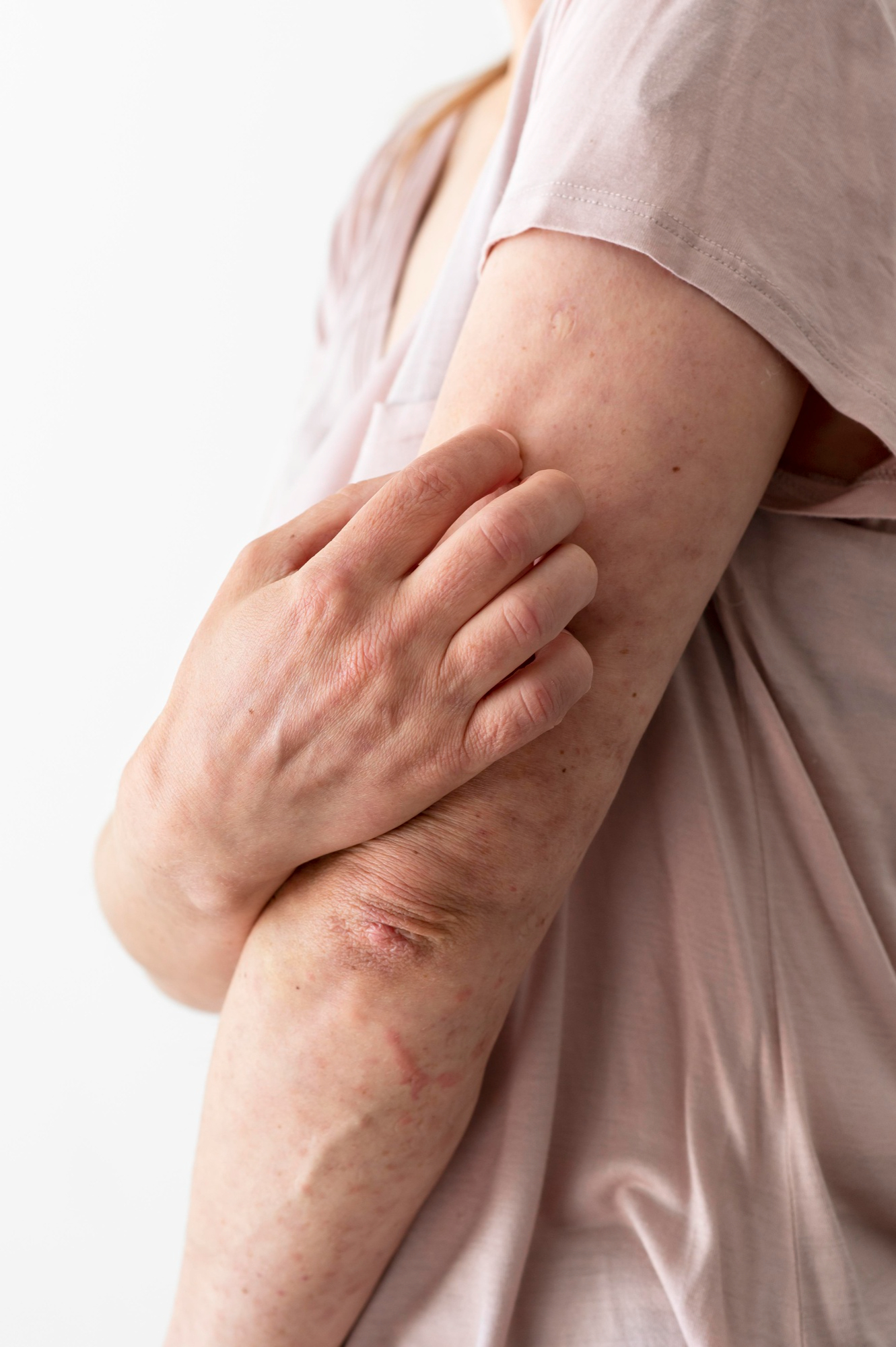
Your skin feels tighter, not just dry, but like it is shrinking over your hands or arms. Joints ache, especially in the morning; everything feels stuck. Swallowing gets tricky, it can feel like food hits a roadblock halfway down. Pressure builds in your chest or belly and refuses to ease. An irritating dry cough or breath that gives out too early could be signs that your lungs are affected.
What causes scleroderma?
Doctors do not have one clear answer yet. What we know is that scleroderma is an autoimmune condition; your immune system, which normally protects you, gets confused and starts attacking healthy tissue.
That misfire triggers inflammation, causing the body to produce excessive collagen, which leads to skin hardening and, in some cases, organ damage.
Why does this happen to some people and not others? That is still a mystery. Genetics likely play a role, and hormones might, too. In some cases, certain infections or chemical exposures appear to act as triggers.
Scleroderma diagnosis
Your doctor examines your skin, inspects your joints, and asks about symptoms that may seem unrelated. Then, the blood tests come; they look for specific autoantibodies, tiny markers your immune system leaves behind. If those show up, it is a clue, not a full answer, but a strong lead.
If your doctor thinks organs might be involved, they will order scans. A CT scan can check your lungs. An echocardiogram shows how your heart is working. Sometimes, a tissue biopsy may be needed.
No single test can give a full picture. Because scleroderma looks different in everyone, it can take time to reach a definitive diagnosis.
Risks and complications
When scleroderma progresses, it can affect organ function. That sounds scary, but not everyone develops complications, and the sooner you catch changes, the better you can manage them.
Here is what doctors watch for:
- Lung fibrosis or pulmonary hypertension – scarring or high blood pressure in the lungs can make breathing harder over time;
- Heart issues – including irregular rhythms or inflammation that affect how well your heart pumps;
- Kidney problems – though rare, scleroderma can raise blood pressure sharply and strain the kidneys;
- Trouble swallowing or digestion slowdowns – food might move through your system too slowly or get stuck;
- Chronic pain or stiffness – tight skin, sore joints, or limited mobility can affect your daily routine.