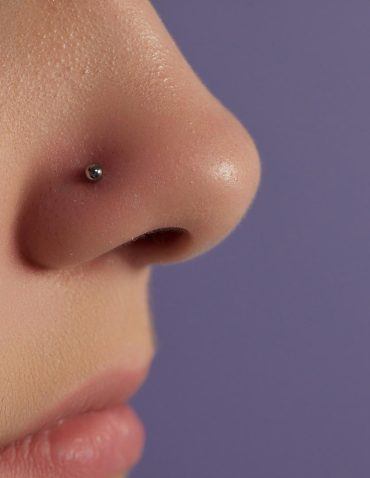
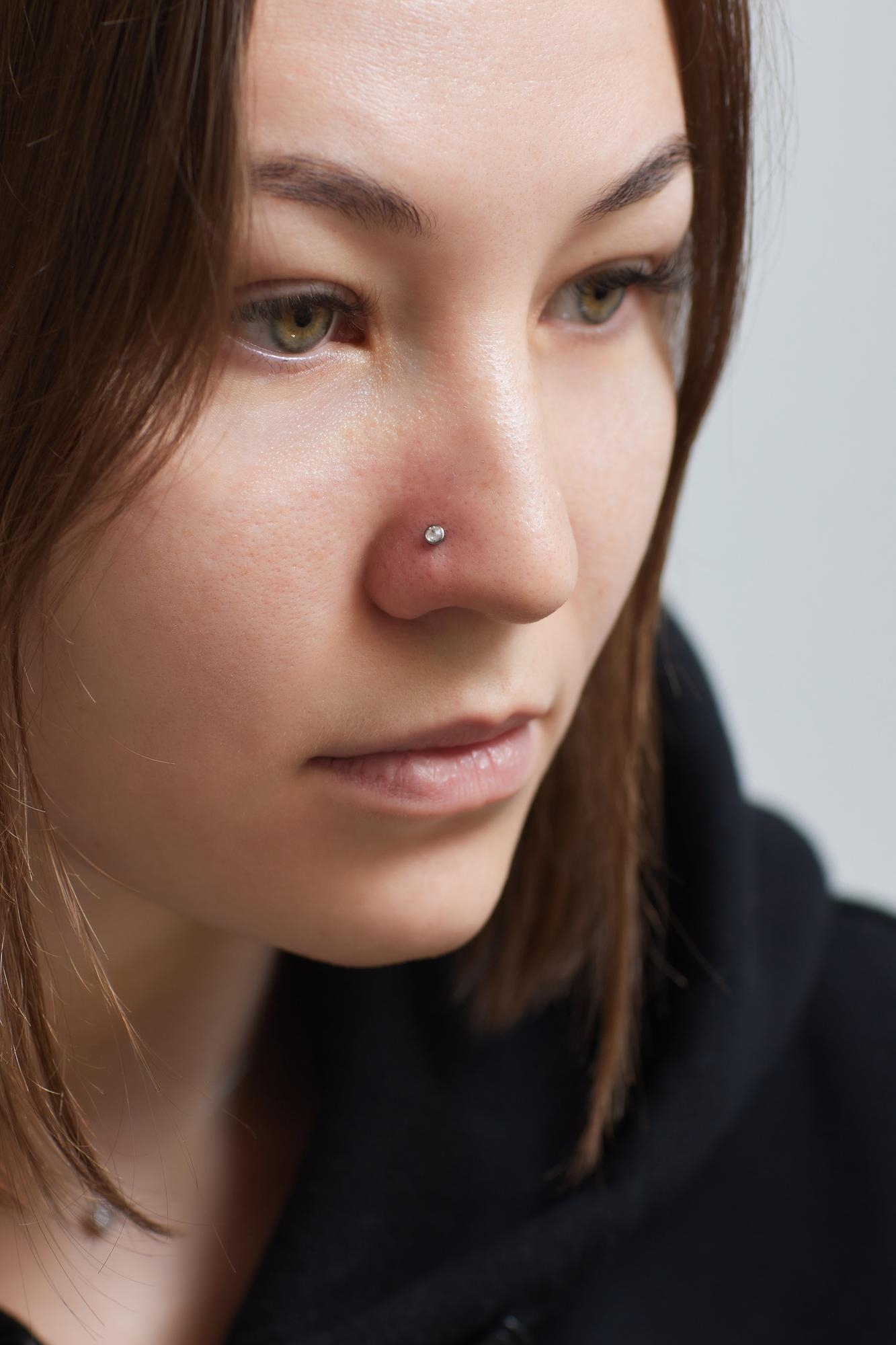
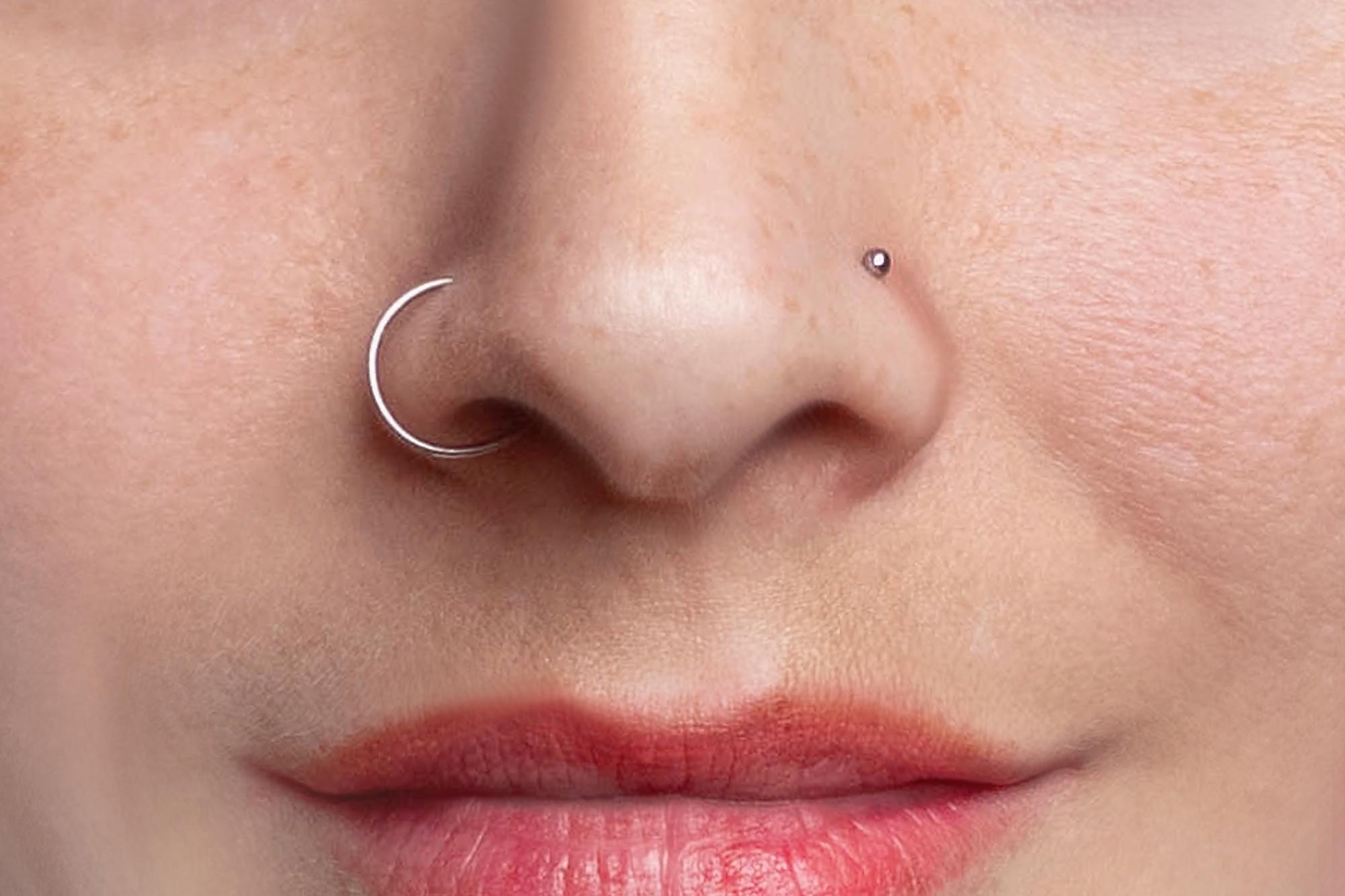
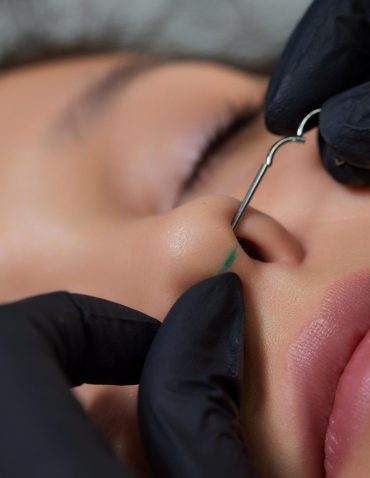
Many people assume that any bump that forms after a nose piercing is a keloid, but in reality, true keloids are far less common than irritation – or healing-related changes. A keloid nose piercing refers to a specific type of excessive scar formation that behaves very differently from other post-piercing bumps. Understanding the difference is important, as misidentifying the issue can lead to delayed or ineffective treatment.
In this article, we explain how to recognise a true keloid, what warning signs to look for, and when to seek professional advice.
What Is a Keloid?
A keloid is a type of scar where the body produces excess collagen, causing the scar to grow beyond the boundaries of the original injury. Unlike normal scars, which gradually flatten and fade, keloids tend to remain raised and may continue to enlarge over time. They differ from hypertrophic scars, which remain within the original wound area and are more likely to improve on their own. Genetic predisposition plays a significant role, meaning some individuals are considerably more prone to developing keloids than others.
Early Warning Signs of a True Keloid
Recognising a keloid early can make a meaningful difference in its management. The following signs may indicate that a bump is more than a standard healing response. The bump continues to grow rather than improve over time. The scar spreads beyond the initial piercing site rather than remaining contained. It feels firm and dense and does not respond to basic aftercare. The colour may deepen or become more noticeable over weeks or months. Itching, tightness, or mild discomfort may also develop as the scar matures.
Why Early Assessment Matters
Keloids are generally easier to manage in their earlier stages, before significant growth has occurred. Delayed treatment can allow continued enlargement, making long-term management more complex and less straightforward. Early diagnosis also prevents the use of unnecessary or ineffective home remedies that may not address the underlying cause. Professional assessment ensures an accurate diagnosis and a tailored treatment plan suited to the individual.
Can You Treat a Keloid Nose Piercing at Home?
True keloids rarely respond to home treatments alone. Many remedies found online are designed for irritation bumps rather than keloid scars, and applying them to a true keloid is unlikely to produce meaningful results. Attempting to treat a keloid without proper guidance may worsen the condition. If the bump persists or continues to grow, it is strongly recommended to seek professional advice.
Non-Surgical Options
When addressing keloids, particularly those arising from nose piercings, steroid injections are frequently employed as a cornerstone of initial treatment. These injections, typically involving a triamcinolone acetonide suspension, are administered directly into the keloid scar tissue.
Their mechanism of action is crucial: the potent anti-inflammatory properties of the steroids help significantly reduce inflammation within the scar while simultaneously inhibiting excessive collagen production by fibroblasts. By slowing this pathological collagen synthesis, the injections can effectively flatten and soften the keloid over time. They are widely regarded as a highly effective first-line therapy, often requiring multiple sessions spaced several weeks apart to achieve optimal results.
In conjunction with or as an alternative to post-injection management strategy, silicone-based therapies are a common and highly beneficial treatment option. These therapies include silicone gel sheets and topical silicone gels. The precise mechanism by which silicone improves scars is not fully understood, but it is theorised to involve occlusion, which increases skin hydration, and regulation of growth factors.
Consistent, prolonged use of these silicone products can lead to tangible improvements in the appearance, texture, and flexibility of scar tissue. They help to make the scar less red, flatter, and generally softer to the touch. For maximum efficacy, these therapies must be applied consistently over an extended period, often for several months, underscoring the importance of patient adherence to the overall treatment regimen.
When Should You See a Specialist?
It is advisable to seek specialist advice if the bump continues to grow or does not improve within a few weeks. Similarly, if it feels firm, spreads beyond the piercing site, or becomes symptomatic, a professional evaluation is warranted. If there is any uncertainty about whether the bump is a keloid or another type of scar, it is always better to seek clarification early. Early intervention can prevent further growth and reduce the risk of long-term scarring.
Insights from The London Scar Clinic
Most piercing-related bumps are not keloids, but recognising the difference early can significantly impact long-term skin outcomes. Understanding how a keloid nose piercing develops allows for more informed decisions and avoids unnecessary delays in care. While some concerns resolve on their own, others benefit from early, specialist-led assessment.
At The London Scar Clinic, we take a personalised approach to scar management, helping patients accurately diagnose and treat keloids with tailored, evidence-based solutions designed to minimise progression and improve skin quality over time.