When considering a hair transplant, your most pressing question may be whether the results will last. The straightforward answer is this: transplanted hair can indeed be long-lasting, often enduring for decades. However, the overall success of your procedure depends on several interconnected factors, ranging from your genetics to the surgeon’s expertise. It is crucial to understand that not all hair behaves the same way, and hair loss is an ongoing biological process.

By the end of this article, you will understand what results typically remain stable long term, what may change over time, and why expert planning becomes essential for achieving outcomes that genuinely satisfy your expectations.

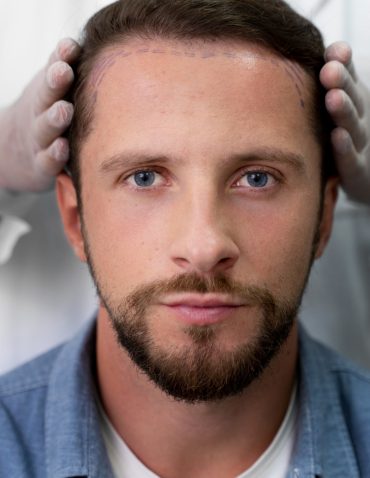
Man with a receding hairline during a hair transplant consultation with the proposed hairline marked on his forehead.

What Does “Permanent” Really Mean in Hair Transplantation?

The term “permanent” requires careful clarification, as it has different meanings in medical and aesthetic contexts. From a medical standpoint, permanently transplanted hair refers to follicles that survive and continue functioning indefinitely.

Yet from an aesthetic angle, permanence is more nuanced. We must distinguish between two separate concepts: the survival of individual transplanted follicles and the long-term stability of your overall hair appearance. A hair transplant is successful when the transplanted follicles integrate into your scalp and continue producing hair for many years. However, this does not mean your hair restoration journey ends after the procedure.

Critically, a hair transplant does not stop the genetic hair loss process affecting your non-transplanted hair. This distinction is vital for understanding realistic outcomes.

​How Does a Hair Transplant Work?

Understanding Donor Dominance

The foundation of hair transplantation rests on the principle of donor dominance. The donor area (typically located at the back and sides of your scalp) contains hair follicles that are genetically resistant to dihydrotestosterone, commonly known as DHT. This hormone drives patterned hair loss in genetically predisposed individuals.

Because these donor hairs possess natural resistance to DHT, when transplanted into thinning areas, they retain this resistance and continue to thrive. This fundamental principle explains why transplanted hair behaves differently from the hair already present in recipient areas, and why results can prove so durable.

What Happens to Transplanted Hair Over Time?

Immediately after your procedure, transplanted hair undergoes an initial shedding phase, often called shock loss. This alarming but entirely normal occurrence typically happens within two to three weeks. During this time, the hair shafts shed whilst the follicles remain dormant and intact beneath the scalp surface.

Regrowth begins gradually, usually within three to four months, with noticeable improvements becoming visible around the six- to nine-month mark. By 12 to 18 months, the final aesthetic result emerges as the transplanted hair fully integrates into your natural growth cycle, blending seamlessly with your existing hair.​

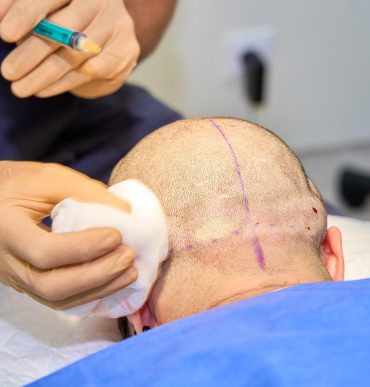
Close-up of a marked scalp during a hair transplant procedure with a surgeon holding a syringe and gauze

Is Hair Transplant Permanent in the Long Term?

The honest answer is straightforward: transplanted hair is generally permanent. However, this statement requires important nuance. A hair transplant is not a guaranteed “forever fix” under all circumstances.

In practical terms, transplant results typically last between 10 and 20 years, with many patients experiencing benefits well beyond this timeframe. That said, your hair continues to age naturally. This means that whilst transplanted hair remains, its texture, colour, and density may gradually change, much like the rest of your hair.

Why Results Are Not Always the Same for Everyone

Quality and Stability of the Donor Area

Not everyone possesses equally robust donor hair. The density and quality of hair in your donor region directly influence both the number of grafts available and their long-term performance.

Some individuals have abundant, thick donor hair, whilst others have finer density. Additionally, hidden or progressive thinning can occur in the donor area itself, reducing the number of healthy follicles available for future procedures should you need them.

Surgical Technique and Planning

The method employed significantly affects longevity and naturalness. Follicular Unit Extraction (FUE) and Follicular Unit Transplantation (FUT) represent the two primary techniques, each with distinct advantages.
Beyond technique, the importance of natural hairline design cannot be overstated. Expert surgeons carefully plan the direction, angle, and density of each graft placement to achieve results that look authentically natural and stand the test of time.

Surgeon Expertise

Experience fundamentally shapes long-term aesthetic outcomes. A highly skilled surgeon understands not only how to extract and transplant follicles but also how to design hairlines that complement your facial features and account for future hair loss. Conversely, poor planning and inadequate technique can lead to unnatural-looking results that become increasingly apparent over time.

Ongoing Hair Loss

Perhaps the most commonly misunderstood factor involves non-transplanted hair. The hair surrounding your transplanted area may continue to thin or fall out as your genetic hair loss progresses. This can create an “island effect,” where transplanted hair stands out starkly against progressive baldness in untreated areas. Many patients mistakenly believe their transplant has failed when, in reality, their natural hair loss has continued independently.

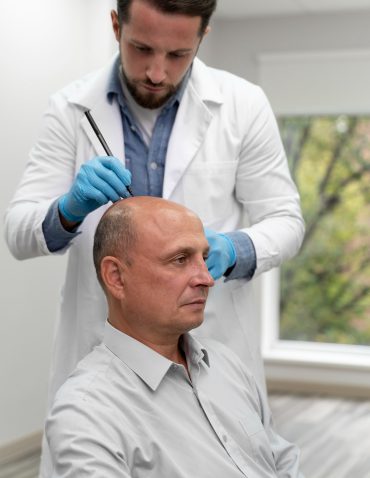
Doctor in a white coat and blue gloves examining a bald male patient's scalp with a pen tool

What Can Affect the Longevity of a Hair Transplant?

Several factors influence how well your transplant performs over time. Your genetics and specific type of hair loss determine your follicles’ inherent resistance to DHT. Your age at the time of the procedure matters considerably; younger patients may experience continued hair loss in non-transplanted areas over subsequent decades.

Hormonal factors, particularly DHT sensitivity, influence both the transplanted and remaining hair. Additionally, lifestyle choices and overall health (including stress levels, nutrition, and sleep quality) support optimal hair health. Finally, strict adherence to post-procedure aftercare and any recommended medical treatments significantly impacts longevity.

​Do You Need Additional Treatments After a Hair Transplant Surgery?

In many cases, the honest answer is yes. Additional treatments may be necessary to preserve your existing hair and maintain a balanced, natural appearance over time. Medical treatments such as finasteride or minoxidil can help slow further hair loss in non-transplanted areas.

Non-surgical supportive therapies, including low-level laser treatments or specialised hair care regimens, may also prove beneficial. This requirement does not indicate that your transplant has failed; rather, it reflects the reality that hair loss is an ongoing condition requiring comprehensive management.

How to Ensure Long-Lasting, Natural Results

Choose the Right Timing

Selecting the optimal time for your procedure proves crucial. Ideally, your hair loss pattern should have stabilised before surgery, allowing your surgeon to plan accurately and avoid performing unnecessary multiple procedures.

Focus on Strategic Planning, Not Just Density

The most successful outcomes prioritise thoughtful hairline design and proportional density distribution over simply maximising the number of grafts. Your surgeon must consider your age, the likelihood of future hair loss, and how your transplanted hair will integrate with your remaining hair over time.

Work With an Experienced Specialist

Choose a surgeon who emphasises individualised treatment planning rather than applying identical approaches to every patient. Your unique hair characteristics, loss pattern, and aesthetic goals deserve personalised consideration.

Expert-Led Approach to Hair Restoration

A truly expert approach prioritises personalised planning and natural, long-term outcomes over quick results. Specialists in hair restoration understand that permanence requires not just technical skill but also careful patient education, realistic expectation-setting, and comprehensive long-term planning.

When to Consider a Specialist Consultation

Seek professional advice if you experience rapid or ongoing hair loss, harbour uncertainty about your donor capacity, or have previously received unsatisfactory treatments. A quality consultation should provide a personalised treatment plan, clearly communicated and tailored to your circumstances, with realistic expectations about what your transplant can and cannot achieve.​

Considering Hair Transplant Surgery? (H2)

If you are thinking about hair transplant surgery, the most important step is choosing an experienced specialist who takes the time to understand your hair loss pattern, long-term goals and donor hair suitability. Every patient is different, and successful treatment depends on careful planning rather than a one-size-fits-all approach.

At The London Scar Clinic, we provide personalised consultations to assess whether hair transplant surgery is the right option for you. Our focus is on creating natural-looking, long-lasting results through evidence-based treatment planning and honest advice, helping you make an informed decision with confidence.

Accreditations

CALL US MAKE AN ENQUIRY