When you are recovering from an injury, surgery, or stitches, it is natural to focus on rest, medication, and wound care. But what you eat during this time is just as important. Nutrition provides the building blocks for new tissue, helps regulate inflammation, and supports a strong immune system. On the other hand, consuming the wrong foods can slow healing, increase the risk of infection, or even leave scars that take longer to fade.

In this guide, we will explore some surprising foods to avoid during wound healing, along with healthier alternatives that support recovery.

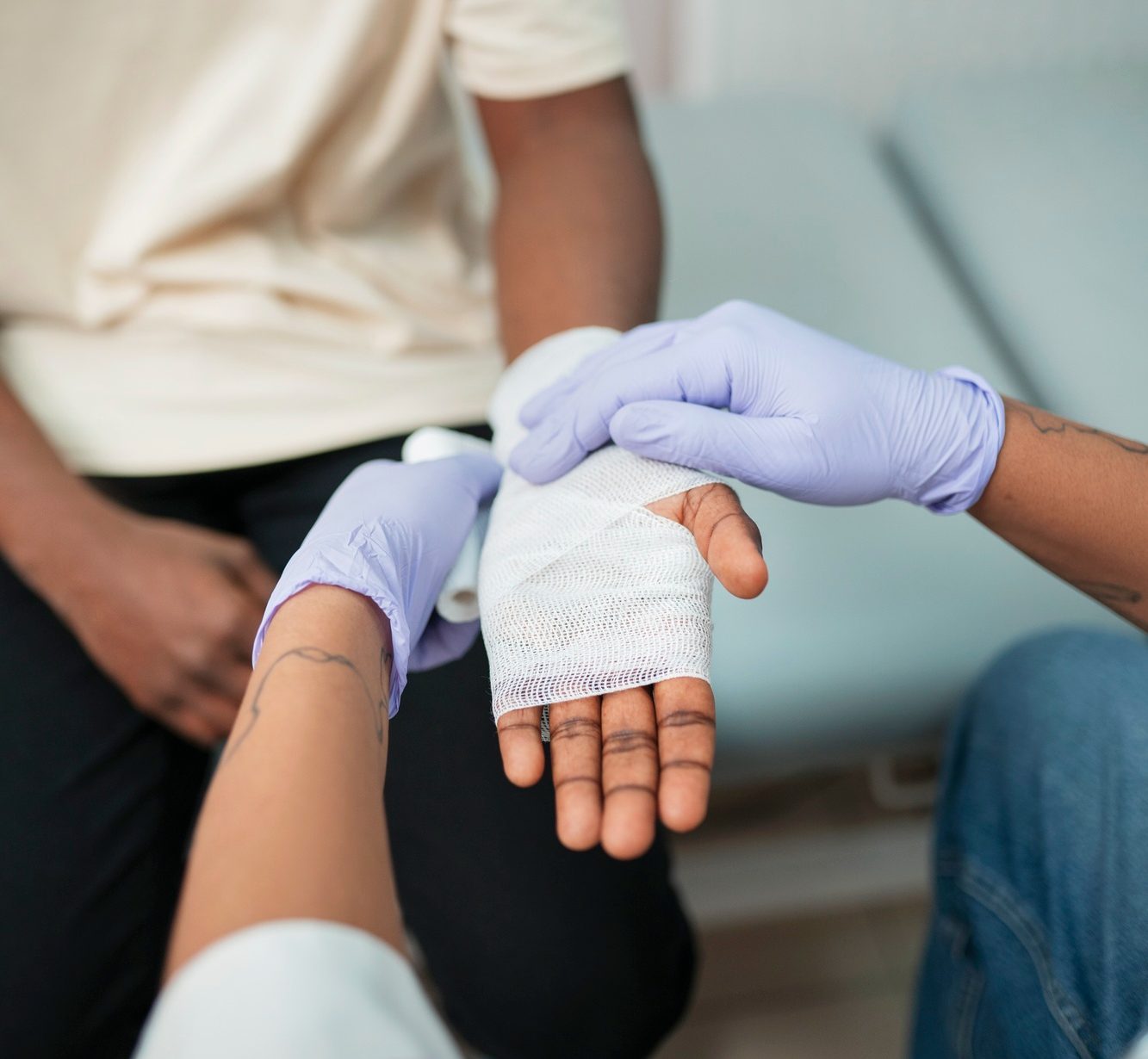
Gloved healthcare worker wrapping a gauze bandage around the hand of a seated patient in a clinic

Why What You Eat Matters in Wound Healing

Wound healing takes place in stages: inflammation, tissue rebuilding, and remodelling. Each stage requires extra protein, vitamins, and energy. If your body doesn’t get what it needs, healing can stall, and eating foods that stress your system can make it worse. That is why it is so important to be mindful not just of what to add to your diet, but also of what to limit or avoid.​

Surprising Foods to Avoid During Wound Healing

While most people know that eating enough protein and vitamins is vital for recovery, fewer realise that certain everyday foods can actually slow the process. Some may increase inflammation, others can dehydrate your body, and a few even interfere with scar formation. Below are some of the most surprising foods to avoid during wound healing, including items you might not expect.

Processed and Sugary Foods

Excessive sugar consumption weakens the immune system and fuels inflammation. It can also interfere with collagen production, making scars heal more slowly. Avoid candy, pastries, sweetened drinks, and highly processed snacks.

Excessive Red or Processed Meats

While protein is vital for healing, processed or fatty cuts of meat can promote inflammation. Eating large amounts may burden your system instead of helping it. Choose lean proteins, such as poultry, fish, or plant-based options.

Salty Snacks and Fast Food

Chips, fries, and fast food are loaded with sodium, which can cause fluid retention and swelling around wounds. If you have had stitches, this extra swelling can make healing more uncomfortable.

Alcohol

Drinking alcohol and wound healing do not mix. Alcohol suppresses your immune system, dehydrates your tissues, and interferes with nutrient absorption. It also reduces collagen production, which directly delays healing and worsens the appearance of scars.

Too Much Caffeine

A morning coffee is fine, but excess caffeine can dehydrate you, and hydration is key to wound recovery. Stick to moderate amounts and balance with plenty of water.

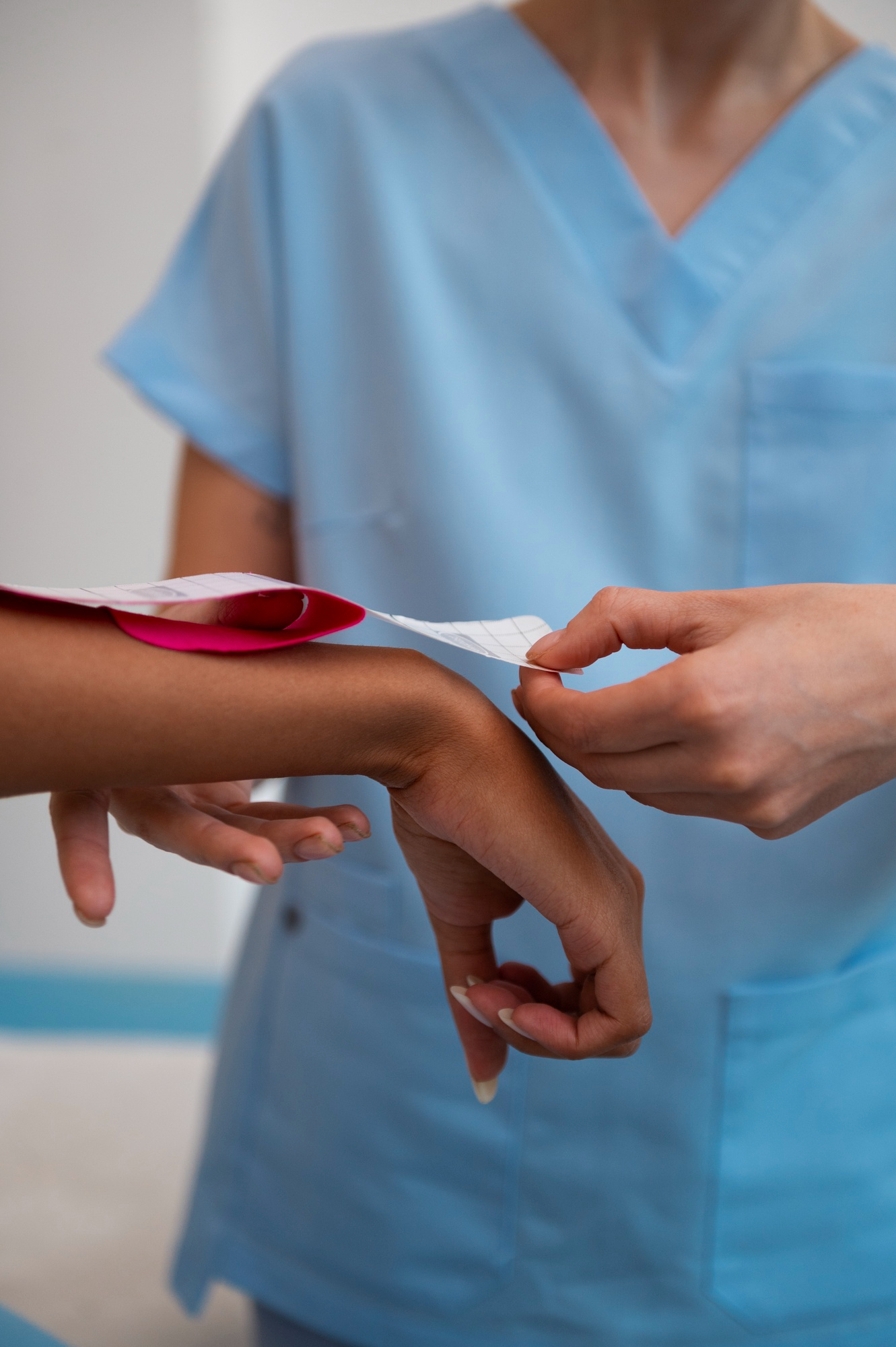
Nurse in blue scrubs applying an adhesive dressing to a patient’s forearm near the wrist

Better Choices for Faster Healing

Supporting your recovery is not only about avoiding the wrong foods, but also about ensuring your body receives the right nutrients at the right time. Choosing wholesome, nutrient-rich foods provides your cells with the building blocks they need to repair damaged tissue, fight off infections, and reduce the risk of long-term scarring. Here are some of the most powerful categories to focus on!

Protein-Packed Foods

Protein is essential for collagen production, which forms the foundation of new skin and connective tissue. Without enough protein, wounds may close more slowly and scars may appear more pronounced. Include lean sources such as chicken, turkey, fish, eggs, beans, lentils, and tofu. If you have had surgery or stitches, your protein needs may be higher than usual, so aim to include a source of protein at every meal.

Vitamin-Rich Fruits and Vegetables

Fresh produce supplies vitamins, minerals, and antioxidants that directly support wound healing. Vitamin C, found in citrus fruits, berries, and bell peppers, plays a key role in collagen formation and immune defence. Vitamin A, from carrots, sweet potatoes, and leafy greens, promotes cell growth and helps the skin form a protective barrier. Together, these nutrients reduce the risk of infection and encourage smoother scar healing.

Whole Grains for Energy

Healing is an energy-intensive process, and your body needs steady fuel to rebuild tissue. Whole grains, such as brown rice, oats, quinoa, and whole wheat bread, release energy slowly, keeping blood sugar levels stable and preventing spikes that could otherwise slow down healing. Unlike refined carbohydrates, whole grains also supply fibre, B vitamins, and trace minerals that aid tissue repair.

Healthy Fats for Repair and Reduced Inflammation

Not all fats are created equal. Omega-3 fatty acids, found in salmon, walnuts, flaxseeds, and chia seeds, can help reduce inflammation, an important step in speeding recovery and supporting scar tissue formation. Avocados, olive oil, and nuts also provide vitamin E, which protects cells from oxidative stress during the healing process.

Hydration, The Unsung Hero

Adequate fluid intake is one of the simplest yet most powerful ways to help wounds heal. Water supports circulation, delivering nutrients to the wound site and removing waste products. It also keeps your skin more elastic, which can make scars less visible over time. Herbal teas, broths, and water-rich fruits like watermelon or cucumber can all help you stay hydrated.


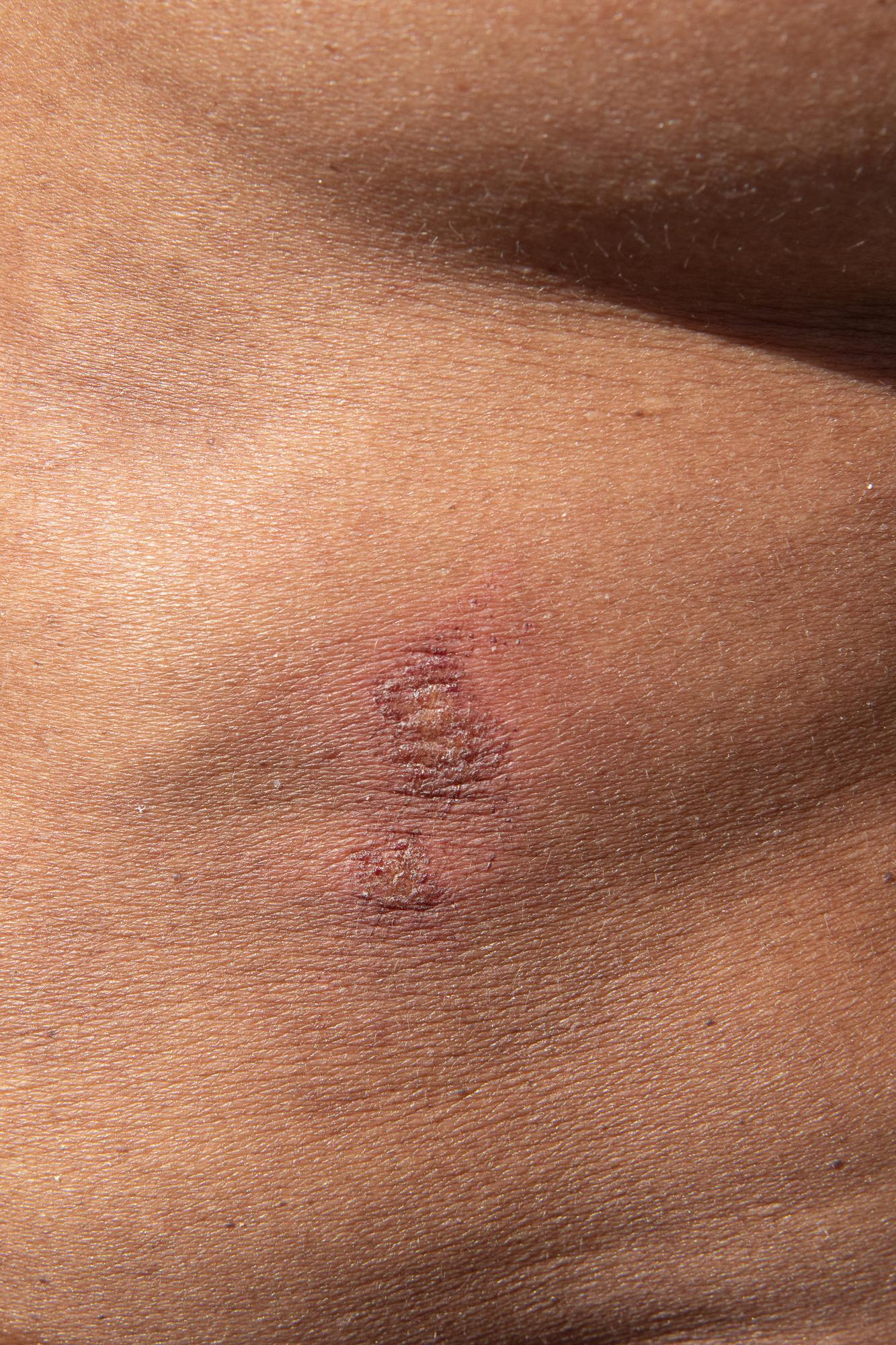
Close-up of two red, scaly skin lesions on a person’s skin.

Why Choose The London Scar Clinic for Wound Care?

At The London Scar Clinic, we understand that wound healing extends beyond dressings and medication. It is about holistic care that supports your body, both inside and out. Our expert team specialises in advanced wound care, scar management, and long-term recovery strategies. Whether you are recovering from surgery, stitches, or an injury, we provide tailored guidance on nutrition, lifestyle, and treatments to help your wounds heal faster and scars fade more effectively.

By combining medical expertise with a patient-centred approach, The London Scar Clinic ensures that every stage of your healing journey is supported, so you can focus not just on recovery but on getting back to feeling like yourself again.

A balanced diet lays the foundation for healing, but wound care can go further. Even once a wound has closed, treatments can improve the appearance and flexibility of scars. Laser therapy helps smooth the skin and boost collagen production, while gentle scar massage softens tissue and supports healthy circulation. Together, these approaches complement nutrition and give your skin the best chance to recover fully.

Have a question? We are here to help.

Accreditations

CALL US MAKE AN ENQUIRY